Northern Cyprus: A Fertility Promise Unraveled
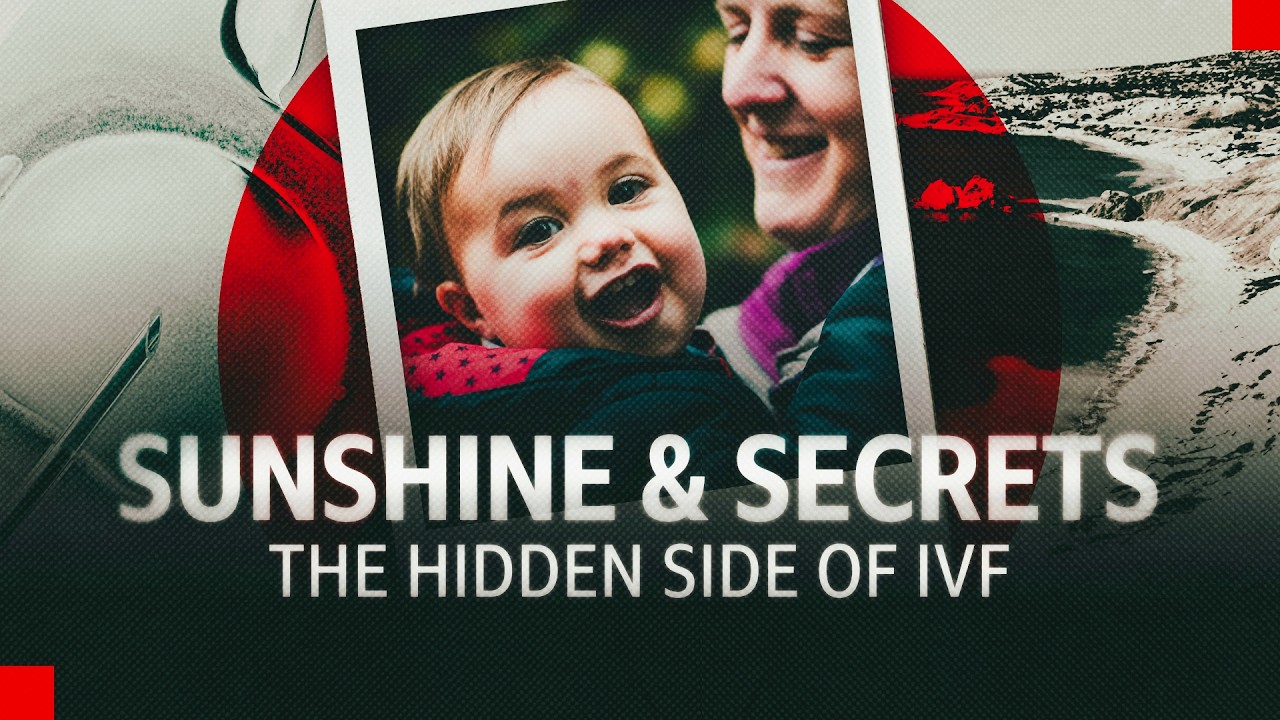
Northern Cyprus has become a popular destination for couples seeking fertility treatments, offering enticing promises of success at seemingly affordable prices. However, beneath its sunny exterior lies a troubling reality that raises ethical and emotional questions about the practices of some IVF clinics.
Anna Collinsson, an investigative journalist for the BBC, discovered a series of alarming cases involving parents who, after years of hoping for their dreams of parenthood to come true, found themselves grappling with the devastating fear that their children may not be genetically linked to them. As several families turned to DNA tests, hoping for reassurance, they were met with shocking results that shook their confidence in the fertility industry.
One couple, Beth and Laura, began their journey toward parenthood years ago, when options for LGBTQ+ families were limited in the UK. After extensive searching, they arrived at a clinic in Northern Cyprus, the Doge IVF Center. Much to their relief, they felt welcomed and assured by the clinic staff. However, they were given a donor profile that promised a connection between their future children. They selected a sperm donor known as Finn—whose characteristics aligned with what they desired for their child.
The process was not only expensive, costing around £16,000, but also filled with emotional investment. They successfully welcomed two children, Kate and James, born from their respective eggs. For years, they believed that Finn’s sperm linked their children as biological half-siblings. However, this narrative quickly unraveled when they noticed discrepancies. When James was born with beautiful brown eyes instead of the expected blue, an alarm was raised.
After a decade of uncertainty, the couple took the bold step of conducting a commercial DNA test, which revealed a shocking truth: James and Kate were genetically unrelated to the donor they had chosen. The anger and disbelief they experienced were profound. “What does this mean for our children?” they wondered. Their case is not isolated; numerous families have reported similar experiences when seeking treatments in Northern Cyprus, leading to questions about the efficacy and ethics of the clinics in the region.
An unsettling pattern emerged as more families recounted similar experiences on online forums, where they shared horrifying accounts of potential donor mix-ups. Investigations have drawn attention to the loose regulations surrounding fertility treatments in Northern Cyprus. Unlike the strict oversight observed in the UK, where checks and balances are established to maintain trust between patients and clinicians, many clinics in Northern Cyprus operate with scant regulatory frameworks.
Dr. Hypocratis Saras, a leading IVF specialist in the UK, emphasized the critical importance of regulation to ensure the safety and trustworthiness of fertility treatments. Without it, patients can find themselves vulnerable to exploitation, errors, or even deceit. Reports emerged from the investigative research indicating that some clinics might have been deceiving potential parents about donor origins, illustrating a broader ethical dilemma.
The implications of such practices extend beyond emotional distress. As donor-conceived children grapple with their identities, the need for transparency becomes paramount. Concerns about biological heritage may have far-reaching psychological impacts on a child, who is often left to navigate a complex web of family histories. Beth and Laura’s children, Kate and James, while loving and secure, face their own journeys of understanding; they are proud of their identities but have been left questioning the narratives that were once presented to them.
As this investigation continues, families are holding the clinics accountable, even as regulatory agencies in Northern Cyprus launch inquiries into potential legal violations. For parents like Beth and Laura, the pursuit of truth is not just about the accuracy of medical procedures; it’s about the fundamental right to know who their children are and who contributed to their creation.
The case of Northern Cyprus poses significant questions about the intersection of the fertility industry, regulation, and ethics. With the potential for lives to be irrevocably impacted by decisions made behind closed doors, ensuring transparency and accountability in fertility treatments has never been more crucial.
As families await further investigations and results, they are left with a profound resolve. "Regardless of DNA," Beth remarked, "we are a family." The journey through discovery may be fraught with challenges, but the love shared within these families remains steadfast, a testament to resilience in the face of uncertainty.